A credit application form is the document a supplier uses to size up a new business customer. It decides whether that customer can buy now and pay later. This guide covers trade credit between businesses, not consumer cards or loans.
A complete form gives you the facts to approve, adjust, or decline with confidence. An incomplete one leaves you guessing, and guessing is where bad debt starts.
Below is exactly what to include in a credit application form, how to verify the answers, and a free template that saves you the setup work.
A credit application form collects the financial and business details you need to decide whether to extend credit, such as company info, references, and bank details. A complete form lowers risk. Clustdoc turns credit applications into automated, verified requests. Book a demo, or use the free credit application template.
Every trade credit application should collect six groups of information. Most forms present them in this order.
Start with the basics that let you confirm the company exists and reach the right people later:
The accounts payable contact matters more than it looks. When an invoice stalls, this is the first person your team calls.
Ask whether the applicant is a sole trader, partnership, or limited company. The structure tells you who is liable if invoices go unpaid. Sole traders carry personal liability by default, while limited companies separate the owners from the debt.
For young or small companies, collect the names of owners or directors. Many suppliers add a personal guarantee section for applicants with little trading history. A business credit application form should keep that guarantee wording separate and clearly labeled, so the signer knows exactly what they accept.
Request the company bank name, branch, and account contact so you can run a bank reference. For larger credit lines, ask for recent financial statements or an annual revenue band.
Keep the request proportionate to the risk. A small first order does not justify audited accounts, and asking for too much slows honest applicants down.
Bank details also help later, when you reconcile payments and chase part-paid invoices. Collecting them once on the application saves a round of emails on every order.
Ask for two or three credit references from suppliers who already extend the applicant credit. For each one, collect the company name, a contact person, a phone number, and how long the account has been open.
Fresh references beat old ones. An account the applicant uses monthly says far more about payment habits than one closed two years ago. Prioritize referees who trade with the applicant on terms similar to yours.
Let the applicant state the credit limit and payment terms they want, such as net 30 or net 60. You can still counter, but the request shows their expectations up front.
State your own standard credit terms on the same form. Cover invoice due dates, late payment charges, and when limits get reviewed. If you offer early payment discounts, list them here too, since they only work when the customer knew about them from the start.
End the form with an explicit credit check authorization. It records the applicant’s consent for you to contact their references, run a business credit report, and verify bank details. Without that consent, reference checks stall and credit bureaus can refuse the request.
Close with a signature from someone authorized to bind the company, plus their printed name, title, and date. Consent and data rules vary by country, so have the wording checked for your own market.
Send the credit application before the first credit order ships, while the customer still has a reason to complete it quickly. Chasing paperwork after the goods have left rarely goes well.
Give applicants a clear deadline and a named contact for questions. Most incomplete forms happen because a question went unanswered, not because the applicant was hiding something.
Then verify. Check the company number against the official business registry to confirm the business exists and is active. Call at least one credit reference and ask about real payment behavior, average days to pay, and any recent slowdowns.
Confirm bank details through the bank reference rather than trusting the form alone. Finally, make sure the person who signed had the authority to do it. A director’s signature carries weight that a junior employee’s does not.
Most credit losses trace back to a form that was accepted half finished. Treat every missing field as a signal, not an inconvenience. An applicant who will not name references or share bank details is telling you something.
Set the starting credit limit in proportion to what the application supports. Strong references and a clean registry check can earn the limit the customer asked for. Thin answers earn a smaller limit that grows with payment history.
Review limits on a schedule instead of waiting for a missed payment. A quick re-check of references once a year keeps the file current and catches trouble early. Clear terms, agreed in writing before the first order, also take the awkwardness out of later credit conversations.
You do not need to build this from scratch. Our free credit application form template is a general credit application template for lenders. It is ready to use, fully customisable, and runs as an online workflow instead of a static document.
Start from the template, remove what your industry does not need, and add anything specific to your own risk checks. You can also write in your standard credit terms and brand the whole flow before sending it out.
Many teams still run the credit application process over email, with PDF attachments and manual reminders. Files arrive half complete, references sit unchecked, and nobody can see which stage an applicant has reached.
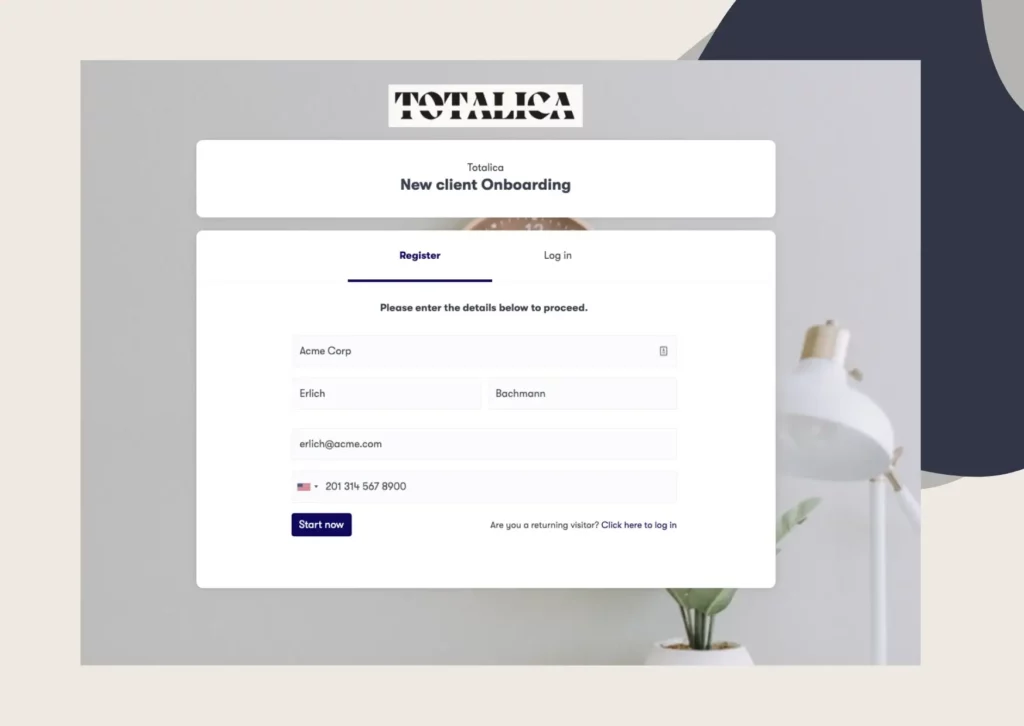
We turn the same form into a guided online flow. Applicants fill in a custom form with conditional logic, upload supporting documents, and sign electronically inside one branded portal. Automated email and SMS reminders chase missing items, so your team sends fewer follow-up messages.
Review gets easier too. Approval workflows route each application through the right internal reviewers, and customer scoring can flag incomplete or high-risk submissions based on your own business rules. Every upload, approval, and signature is logged in an audit trail, so the whole credit file stays traceable.
Want to see this running on your own process? Book a demo call and the Clustdoc team will walk you through it.
A trade credit application covers credit between two businesses, usually goods or services delivered now and paid on agreed terms. Consumer applications cover personal cards and loans, and they follow different rules. Everything in this guide applies to the business side only.
A new customer credit application form PDF works when volume is low and applicants expect paper. An online form usually wins because it can require fields before submission, so applications arrive complete. It also removes the printing and scanning that slows customers down.
Two or three is the common range. Fewer gives you too little signal, and more than three adds effort without changing the decision. Quality matters more than count, so favor active accounts over dormant ones.
Someone with the authority to bind the company, such as a director, owner, or officer. Their signature covers both the credit check consent and the terms, so a junior signature can undermine both. Asking for the signer's title on the form makes this easy to confirm.
Yes, if your form says terms are reviewable. Most suppliers keep the right to adjust limits or payment terms as trading history develops. Put that wording in the original application so later changes never come as a surprise.
Still stitching emails, files, and approvals together?
Clustdoc gives teams one place to run client-facing work, boost customer engagement and increase compliance.

Claire writes about customer onboarding, digital processes, and the day-to-day challenges faced by operations teams. At Clustdoc, she focuses on practical insights: how organizations collect information, guide customers through complex steps, and improve service delivery with automation.