Loan broker client onboarding is everything between a borrower saying yes and a complete file reaching the lender. It covers the application, identity documents, income proof, property paperwork and signatures.
Lenders will not review an incomplete file, so every gap pushes your commission further away. Here are the seven steps, from the first form to underwriting.
Run every borrower through the same seven steps. The sequence matters more than the tools you pick.
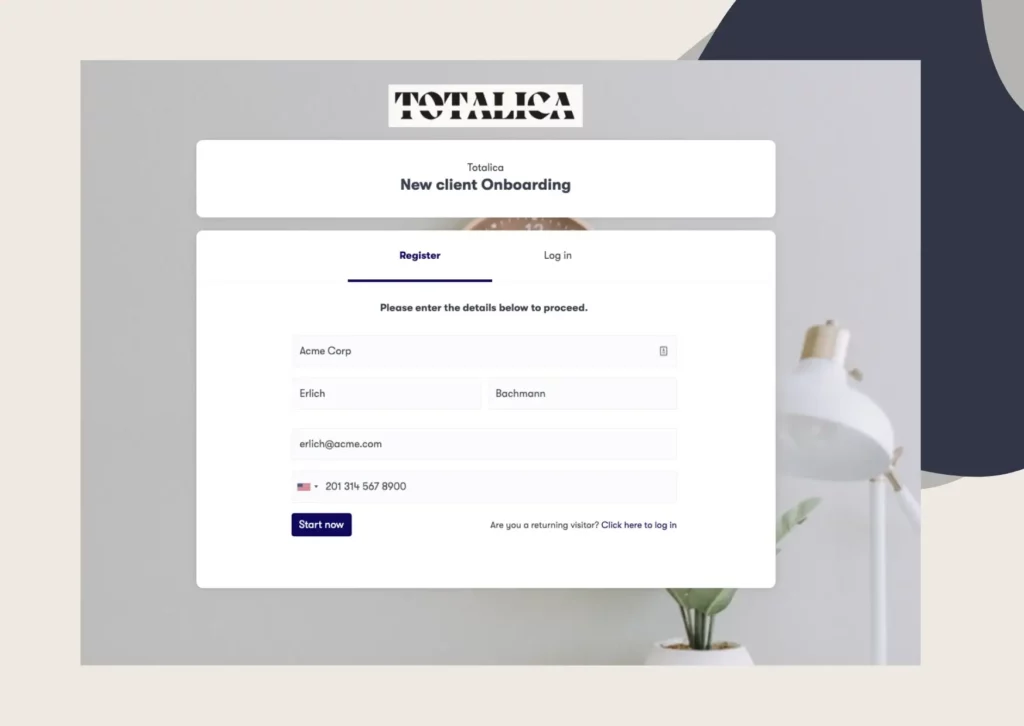
Replace the PDF and email combination with a single online form. Use conditional logic so the form adapts to each borrower. A self-employed applicant sees the business questions, and a salaried applicant never does.
Keep the first pass short. Ask only what you need to identify the file:
The moment the form arrives, the borrower should see a checklist of the documents their situation requires. Generic lists create “does this apply to me?” emails. A tailored list removes that question.
Split the checklist into stages. Thirty requests in one email reads like an audit notice, and overwhelmed borrowers stall.
A workable order for most files:
Email attachments get lost, hit size limits and scatter one borrower’s file across twenty threads. A secure portal keeps every upload tied to the right application. Both sides can see what is still missing.
Privacy matters here too. A loan file holds identity documents, account numbers and a full financial picture. Rules such as GDPR expect that data to be stored securely, with access controlled.
Do not wait for a complete file before checking quality. A cropped bank statement or the wrong month should be rejected the same day. Late discovery of a bad document is one of the biggest hidden delays in broker files.
The problems that come back most often are easy to spot on arrival:
Attach a one line reason to every rejection. “Please resend pages 3 to 5” saves a phone call. Vague feedback guarantees one.
Engagement letters, fee agreements and credit check authorizations can all be signed digitally. Signing can run in sequence or in parallel, which helps when a file has two applicants.
Electronic signatures are legally recognized in many countries. The rules vary by country and by document type, so confirm what your lenders accept.
KYC (know your customer) and AML (anti money laundering) obligations apply to brokers in most markets. The detail varies by country and by lender, but they all point the same way: verified identity documents, and often evidence of the source of funds.
Run the check as a normal onboarding step. Identity verification against a government issued ID belongs alongside document collection, not in a scramble at the end.
The output of onboarding is one complete, organized, dated file. An underwriter should be able to open it without asking a clarifying question.
Check three things before you submit:
Exact lists vary by country, lender and loan type. Use these groups as your base layer, then add whatever your lenders want on top.
If you are rebuilding this pack, our guide to loan application form templates breaks down the standard sections and fields.
Self-employed files carry the most back and forth, so request this group early:
Conditional logic in your intake form can trigger this group automatically. Salaried applicants never see it.
Mortgage broker onboarding often adds a second applicant and a deadline you do not control. Request property items as soon as the offer is accepted.
Most of the chasing traces back to four causes. Each one has a structural fix.
If the only record of your request sits in an email from ten days ago, you are the status page. A shared checklist marking items as submitted, in review or still needed answers the most common question before anyone asks it.
Reminders should be scheduled, not heroic. In Clustdoc, automated reminders go out by email and SMS on a schedule you define, chasing only the items still outstanding.
Accept or reject each document individually, with a short reason attached to that exact file. Borrowers can then fix problems without a conversation. A time-stamped audit trail of who submitted what also puts you in a stronger position in any dispute.
Send a short kickoff message before the first document request. List the stages, who does what, and a realistic timeline to a lender decision.
Borrowers chase you when they cannot see the road ahead. Three sentences at the start prevent most of the anxious check-in calls later.
A working stack covers five jobs:
For a category by category breakdown, see our guide to mortgage broker tools.
Stitching those five jobs together from disconnected products creates gaps. Every gap becomes manual copying, and every manual step is a place a file can stall unnoticed.
Our platform handles the five jobs in one branded portal. It combines intake forms with conditional logic, document collection with accept and reject controls, automated reminders, legally binding eSignatures and KYC identity checks. Client data is encrypted at rest and every action is logged in a full audit trail.
Want to see this running on your own files? Book a demo call and walk through the broker flow with the Clustdoc team.
Straightforward salaried files can be complete within days when the checklist is clear from the start. Self-employed and multi-applicant files take longer, because more documents come from third parties. Measure your own baseline in days from “yes” to complete file.
Identity, income proof and bank statements appear on almost every file. Deposit source is the item borrowers underestimate most, especially when family money is involved. Requirements still vary by lender, so keep a separate checklist for each one you place with.
Mortgage files add property paperwork on top of the standard set. That means the purchase agreement, valuation details and, for refinances, current mortgage statements. They also carry deadlines you do not control, such as rate locks and valuation windows.
In many countries yes, including the documents brokers handle most often. Engagement letters, fee agreements and consent forms are common candidates. Requirements vary by country and by document type, so confirm with your lender before you switch.
Pick one loan type you handle often, such as a standard residential purchase. Build one intake form, one checklist and one reminder schedule for it. Clustdoc ships ready-made templates, including a commercial mortgage loan application, so you are not starting from a blank page.
Still stitching emails, files, and approvals together?
Clustdoc gives teams one place to run client-facing work, boost customer engagement and increase compliance.

Claire writes about customer onboarding, digital processes, and the day-to-day challenges faced by operations teams. At Clustdoc, she focuses on practical insights: how organizations collect information, guide customers through complex steps, and improve service delivery with automation.